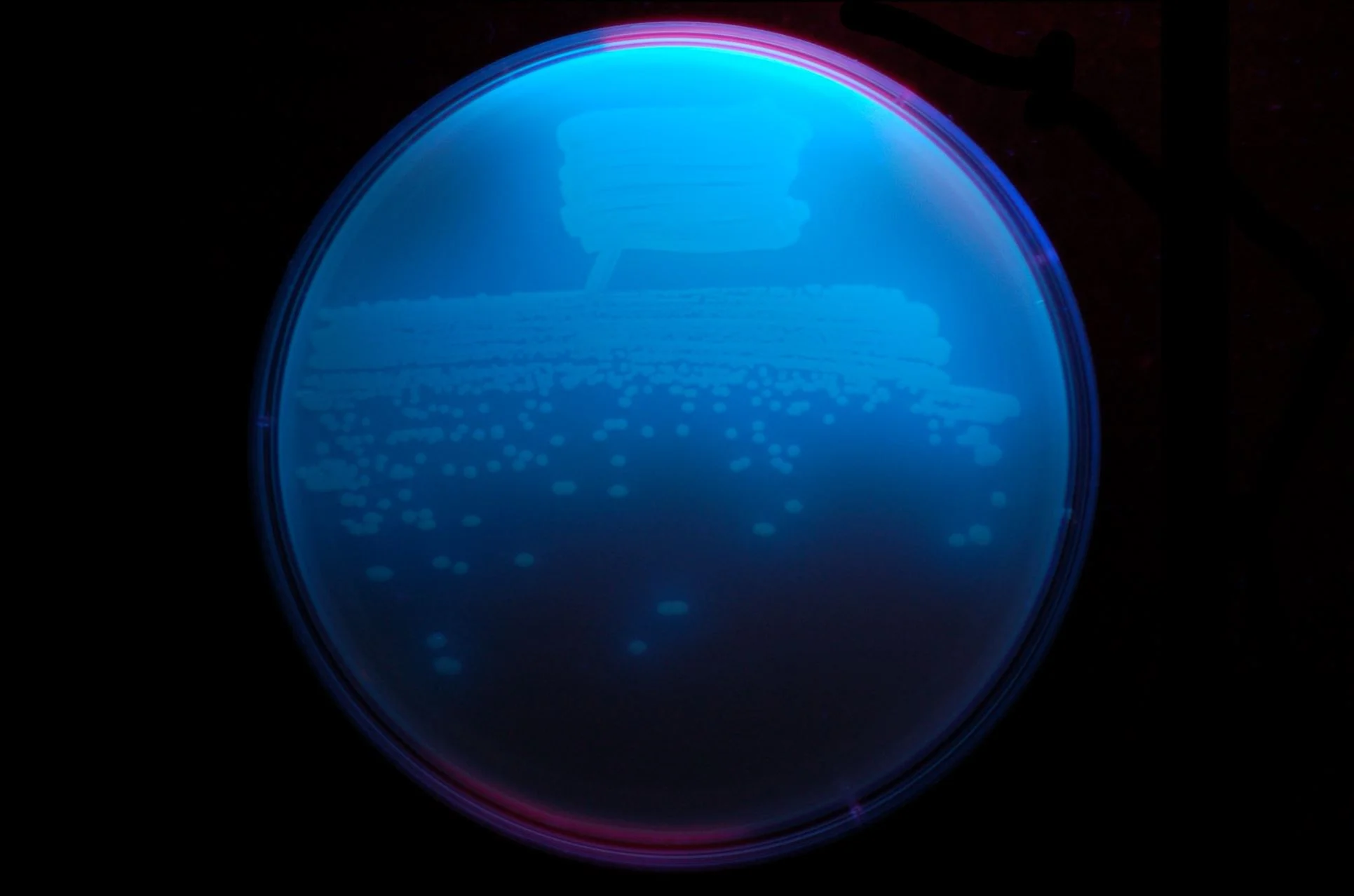
New insight about a broad spectrum antibiotic agent, obafluorin, made from a fluorescent strain of soil bacteria might offer a powerful antidote to antibiotic resistance, researchers say.

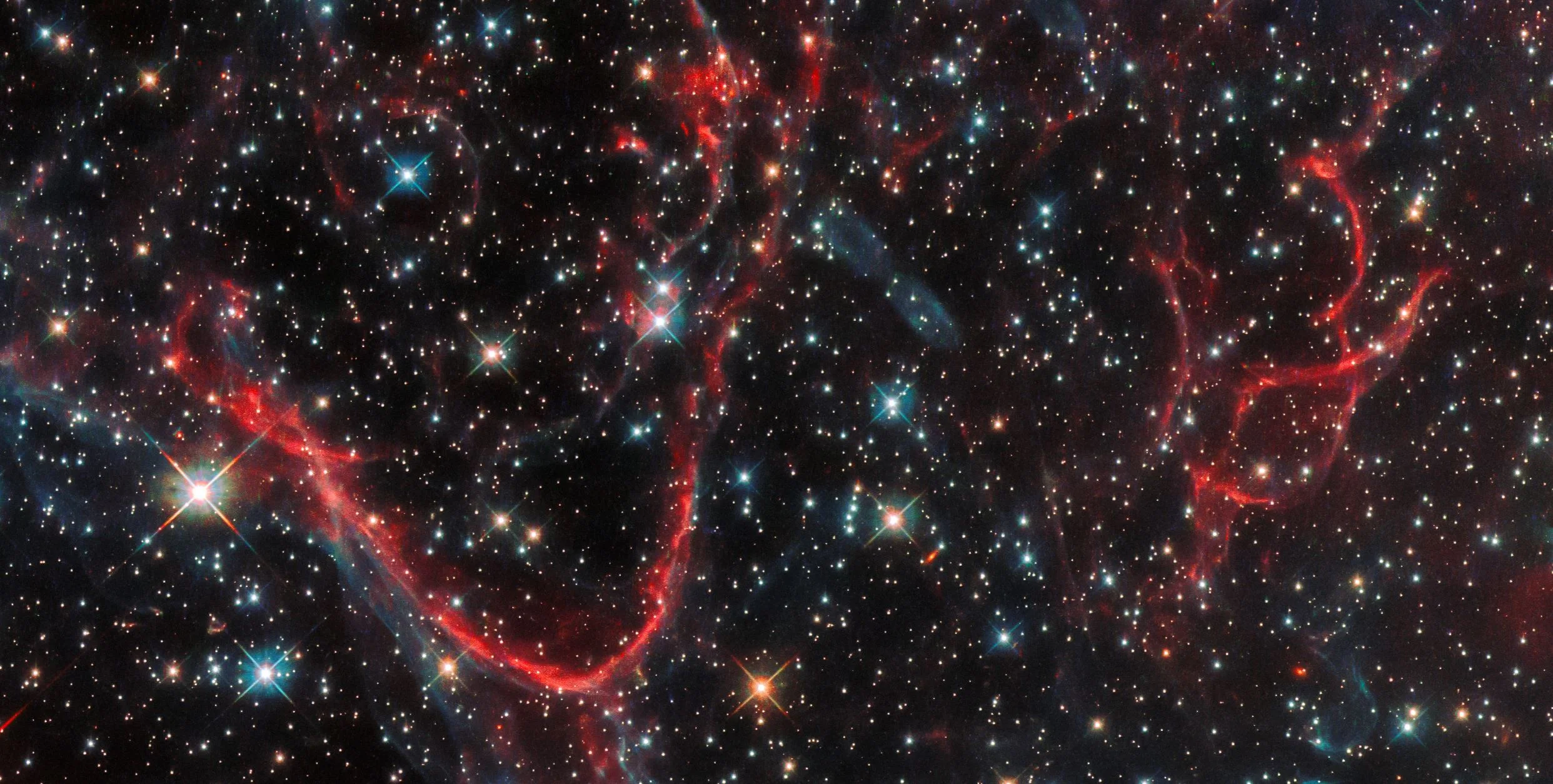
Scientists have long tried to explain the origin of a mysterious, large and anomalously cold region of the sky. In 2015, they came close to figuring it out as a study showed it to be a “supervoid” in which the density of galaxies is much lower than it is in the rest of the universe. However, other studies haven’t managed to replicate the result.
Low energy efficiency is already a major problem for petrol and diesel vehicles. Typically, only 20% of the overall well-to-wheel energy is actually used to power these vehicles. The other 80% is lost through oil extraction, refinement, transport, evaporation, and engine heat. This low energy efficiency is the primary reason why fossil fuel vehicles are emissions-intensive, and relatively expensive to run.
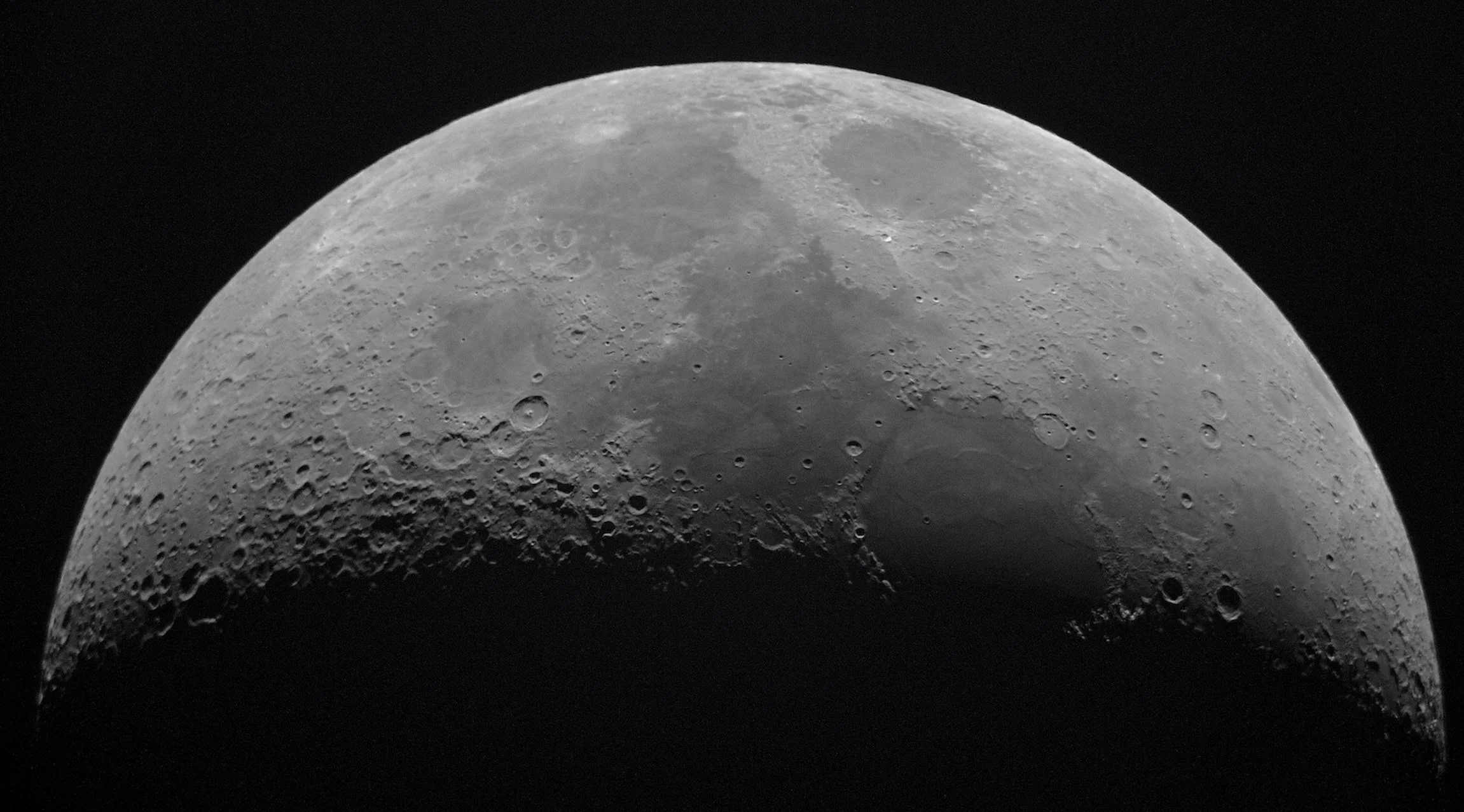
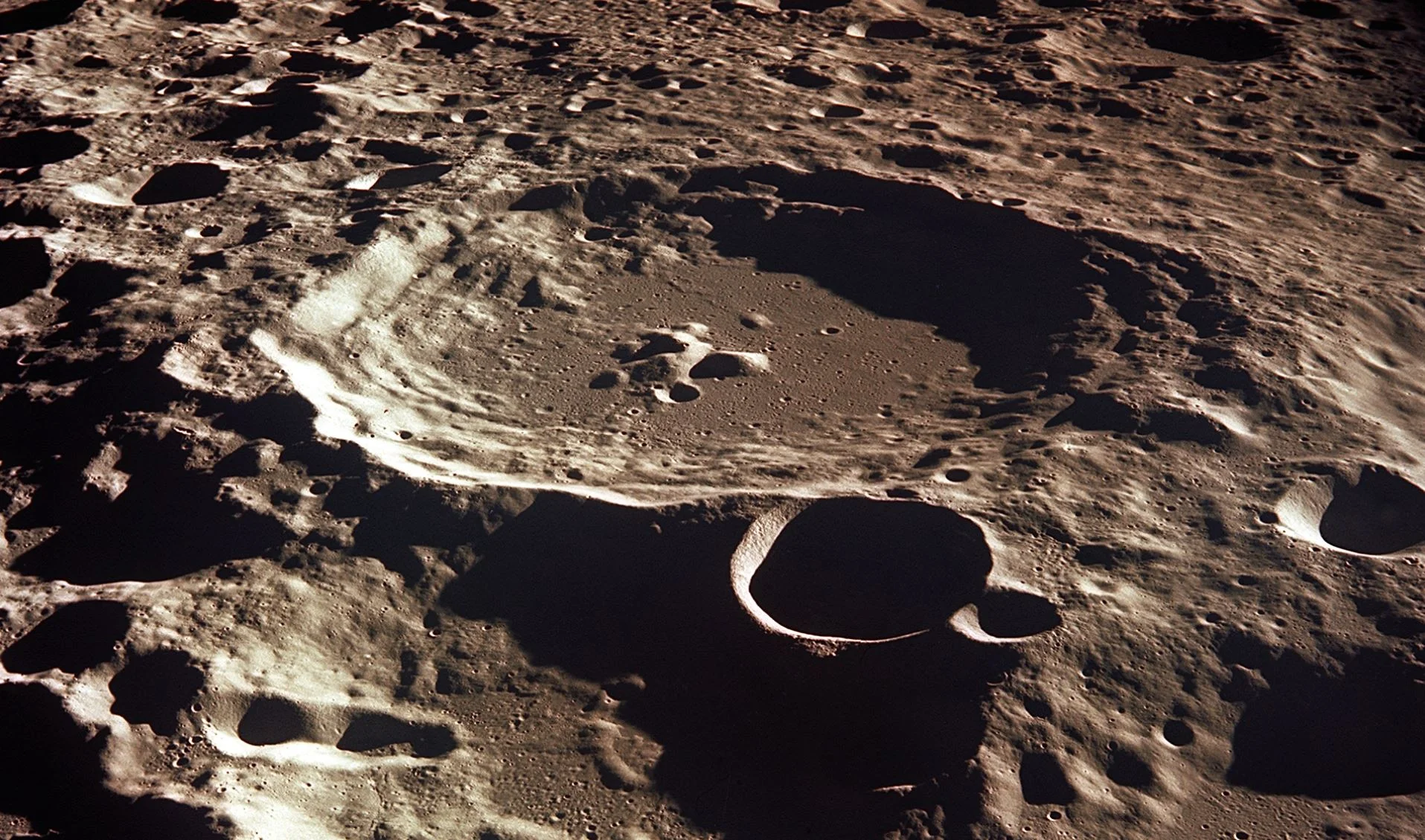
The history of the Moon is a tale told by geology, apparent in its rocks, craters, and other surface features. For centuries, astronomers have studied the Moon from afar and for the past few decades, it has been visited by countless robotic missions. Between 1969 and 1972, a total of twelve astronauts walked on its surface, conducted lunar science, and brought samples of lunar rock back to Earth for study.
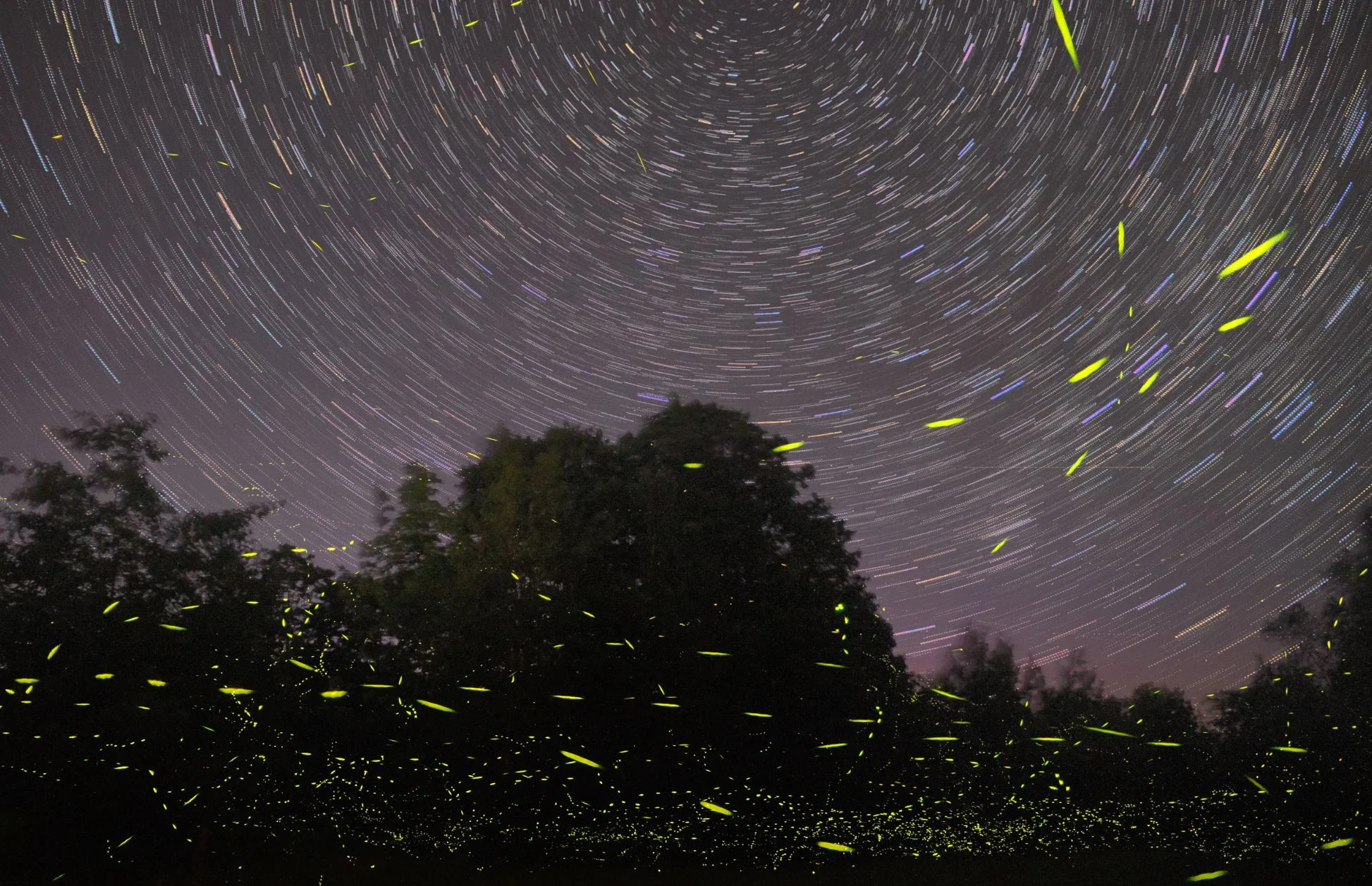
You might not really be sure you saw what you think you saw when the first one shows up. But you stare in the direction of the flicker of light and there it is again – the first firefly of the evening. If you are in good firefly habitat, soon there are dozens, or even hundreds, of the insects flying about, flashing their mysterious signals.
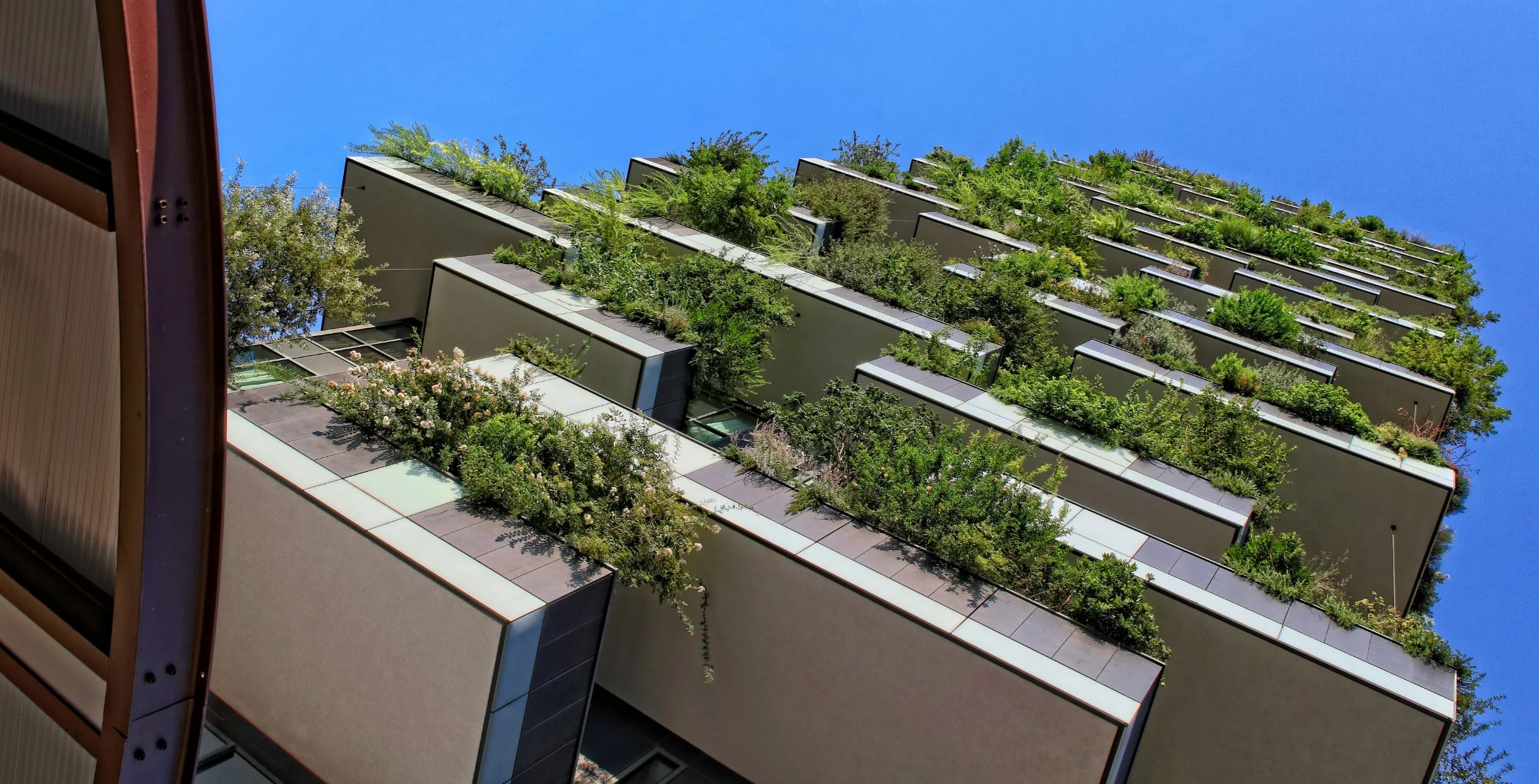
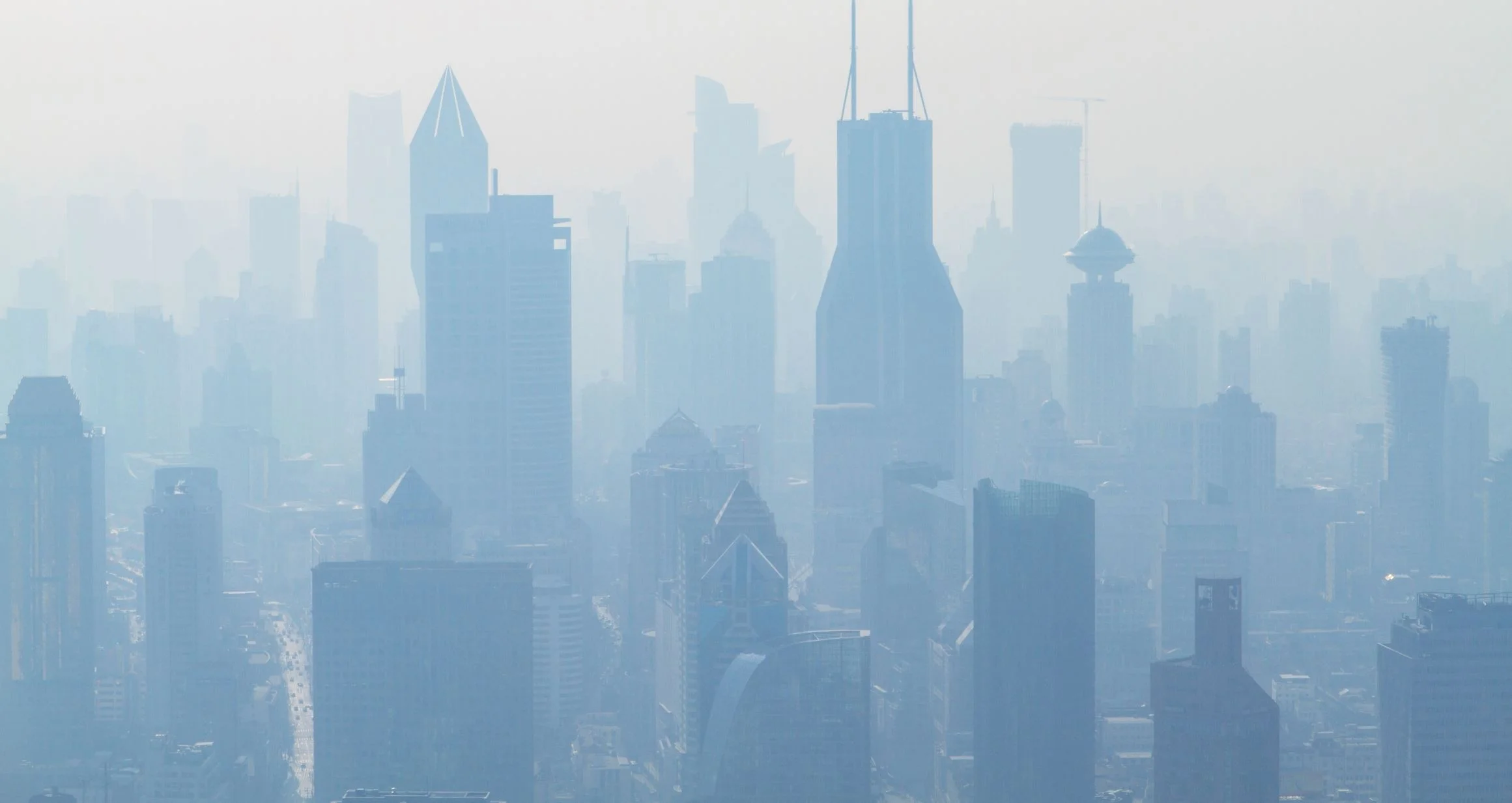
Heat waves can be deadly, especially when they combine high temperatures with elevated humidity levels that make the air feel even hotter. The impacts can be especially strong in cities, which often are several degrees warmer than nearby rural areas due to the urban heat island effect. These three articles from The Conversation’s archives describe steps that communities can take to adapt as climate change makes heat waves more frequent and intense.
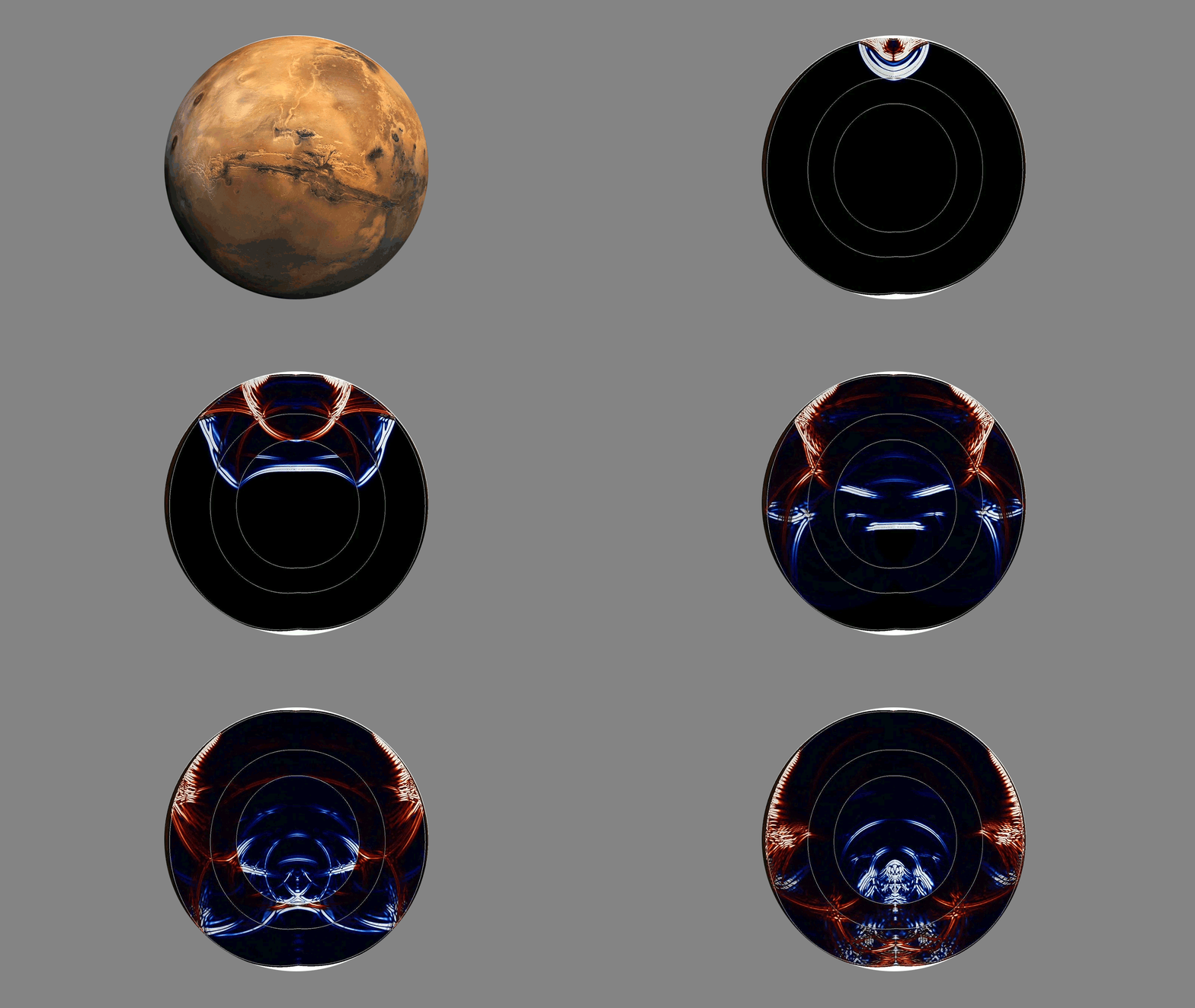
Southern California got all shook up after a set of recent quakes. But Earth isn't the only place that experiences quakes: Both the Moon and Mars have them as well. NASA sent the first seismometer to the Moon 50 years ago, during the Apollo 11 mission; the agency's InSight lander brought the first seismometer to Mars in late 2018, and it's called the Seismic Experiment for Interior Structure (SEIS).
I easily remember laughing at Wile E. Coyote trying to catch the Road Runner while watching Saturday morning cartoons as a child. I can still see the Coyote walking slowly through the sweltering desert, sun high in the sky, sweating, tongue-hanging-out, about to collapse from heat, hunger and thirst. Then, BEEP! BEEP! the Road Runner would fly past, and the chase was on with a perfectly revived Coyote.
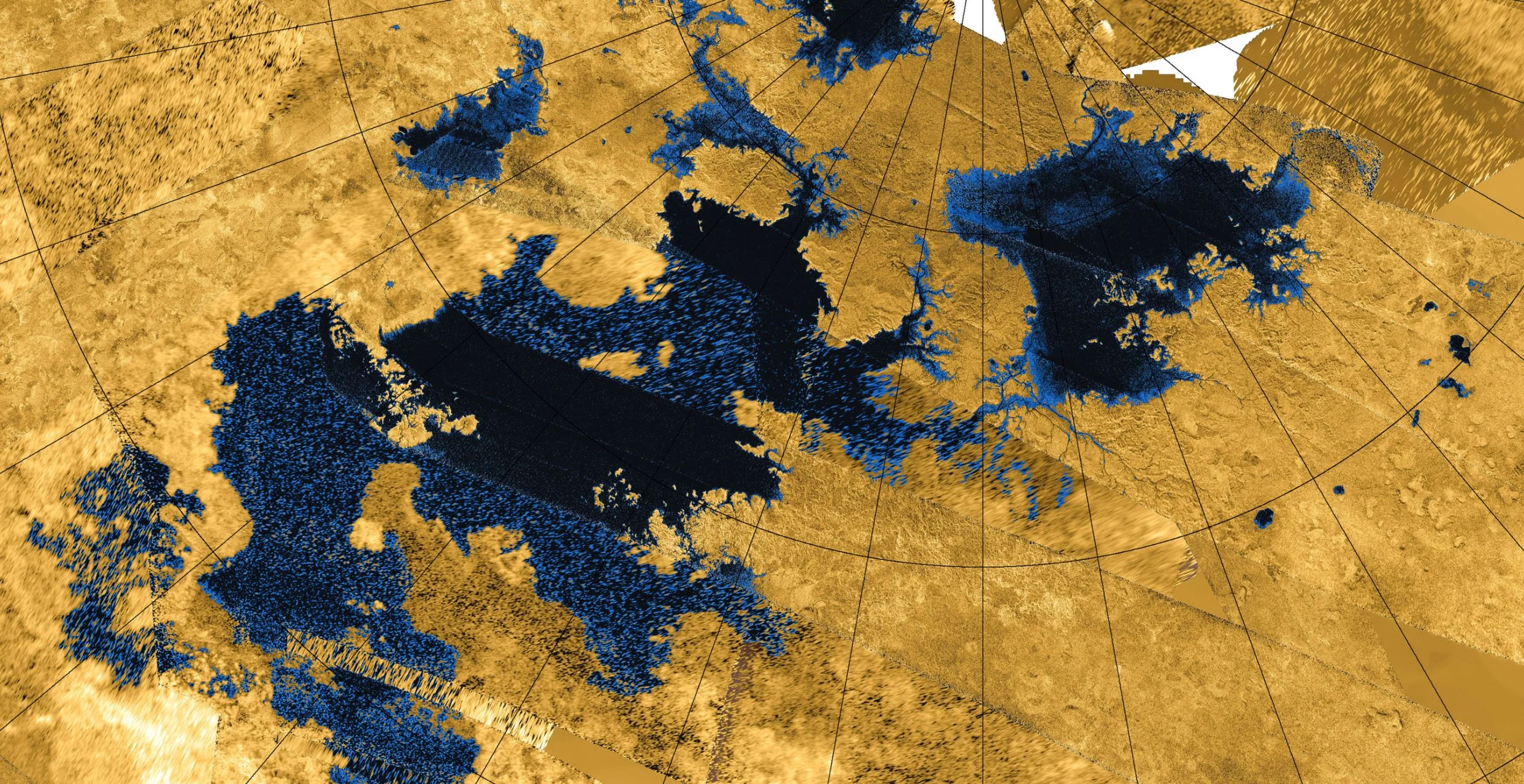
Some lakes on Titan have ring-like shapes around them, and scientists are trying to find out how they formed. Understanding how they formed may tell us something about how the entire region they’re in, including the lakes, formed. The ring-shaped features are found around pools and lakes at Titan’s polar regions.