Astronomers have detected complex organic molecules in a disc of gas and dust surrounding a young star. - This discovery raises a fascinating possibility: the building blocks of life might have formed in space long before planets like Earth even existed.
Austrian researchers developed an oxygen-ion battery with regenerative capabilities, offering a long service life and eco-friendly alternative for large-scale energy storage systems.

A dutch utility company started a three-year pilot replacing natural gas with hydrogen gas, transported via the existing grid in the small town of Lochem.
MIT scientists created an autonomous underwater camera that is about 100,000 times more energy efficient than conventional underwater cameras and requires no battery.
A team of Swiss scientists has been inspired by nature to develop a new construction method that can be used in disaster relief and building and maintaining structures in very hard-to-reach places like tall buildings.
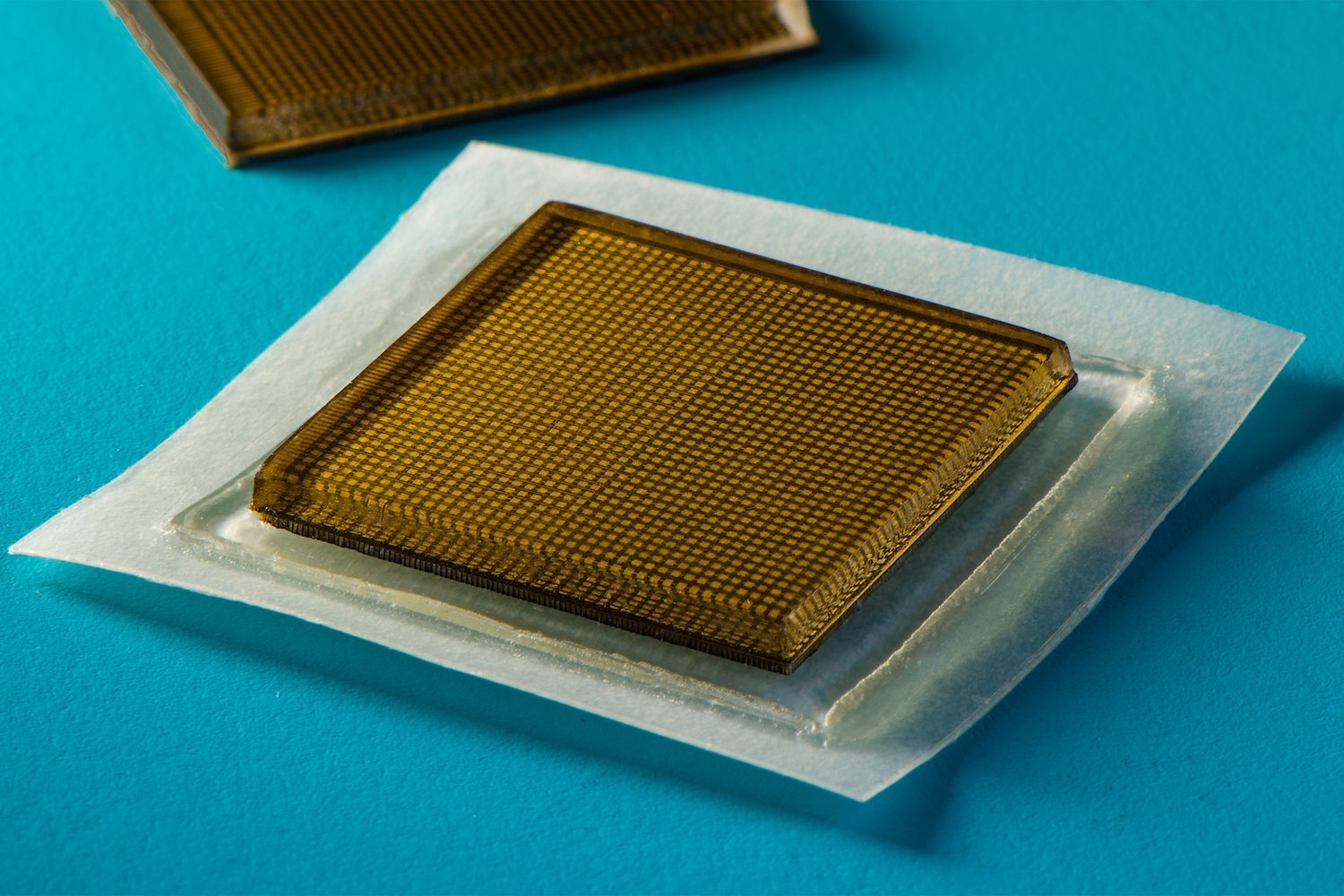
Researchers from the Massachusetts Institute of Technology (MIT) developed a noninvasive patch that can generate excellent, real-time images of organs for a period of two days.
Princeton University scientists managed to create a perovskite solar cell with a genuinely competitive lifespan compared to conventional solar technology.
This incredible tiny robotic crab (smaller than a flea) is capable of bending, twisting, turning, walking, and jumping while being controlled remotely.
One of the downsides of Solar panels (on Earth) is that they can only generate energy during the day. However, an Australian-based research team is working on a solution to this problem.
Scientists developed a mobile desalination device capable of creating clean drinking water without pumps or filters, weighing less than 10 kilograms and requiring only a small solar panel to be powered.
A group of scientists at the Massachusetts Institute of Technology developed an automatic, touchless cleaning method to rid solar panels of dust without the need for water.
Technology is improving at a rapid pace, and so is artificial intelligence. We may one day create a virtual world similar to our own. The ethics surrounding such a proposition make for an interesting topic.
Researchers at the Joint European Torus (JET) shattered a 24-year old record by achieving the highest-ever energy output of 59 megajoules from nuclear fusion, generated over a sustained period of time